

A heritage of sustainable abundance.
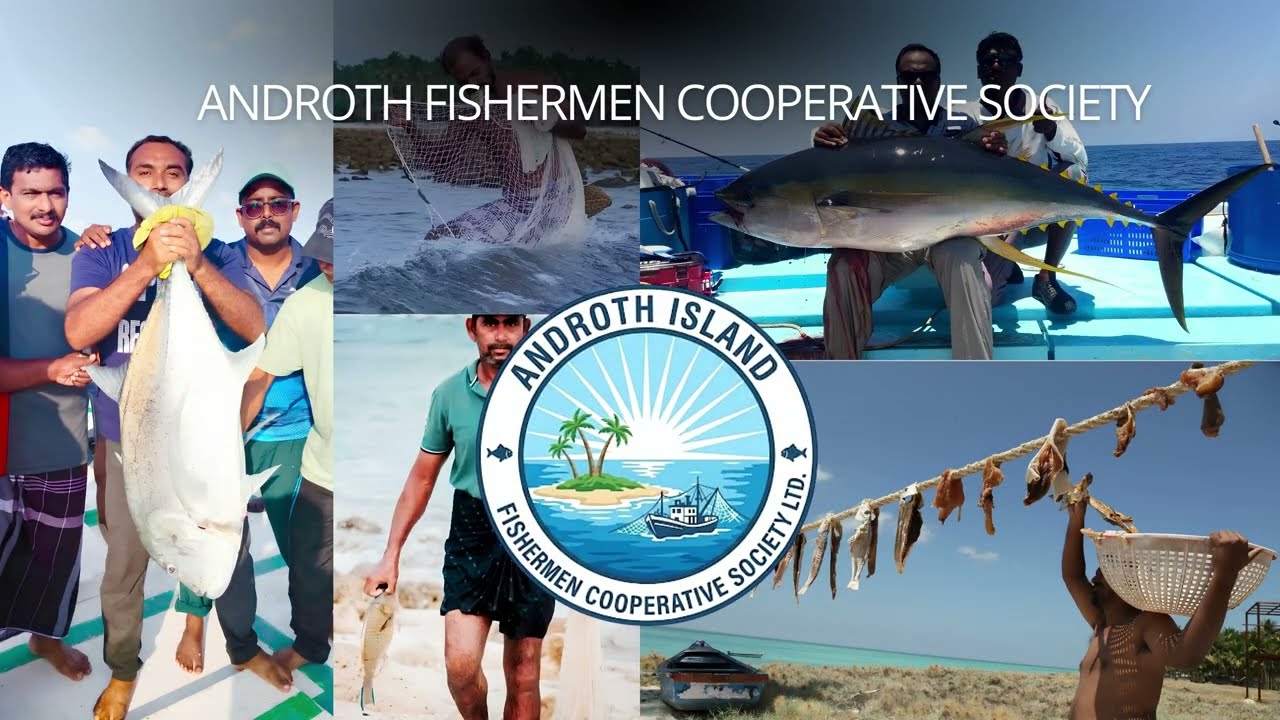
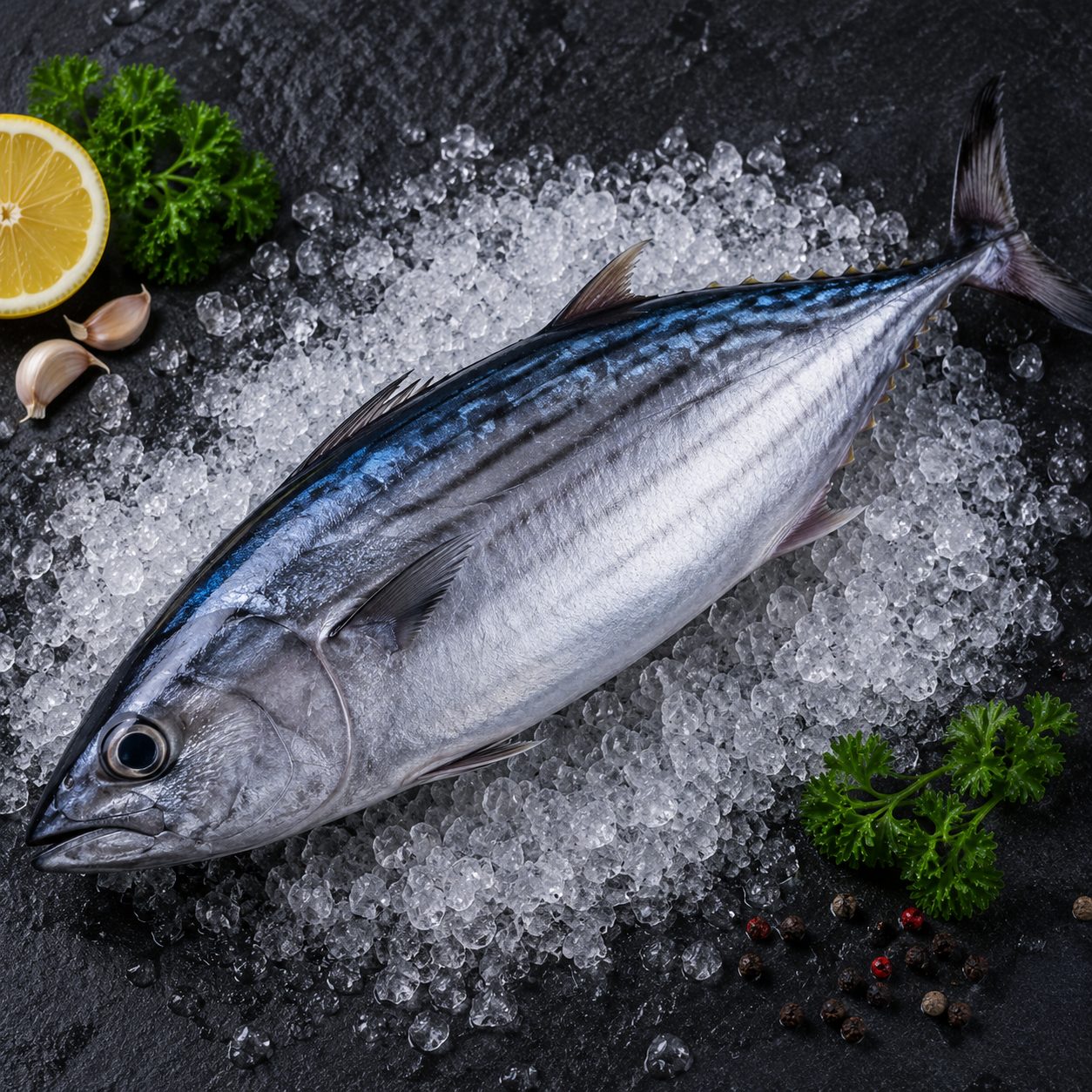
For generations, the fishermen of Lakshadweep have practised pole-and-line tuna fishing — one of the world's most sustainable methods. Each fish is caught individually, sparing juveniles and conservation-listed species.
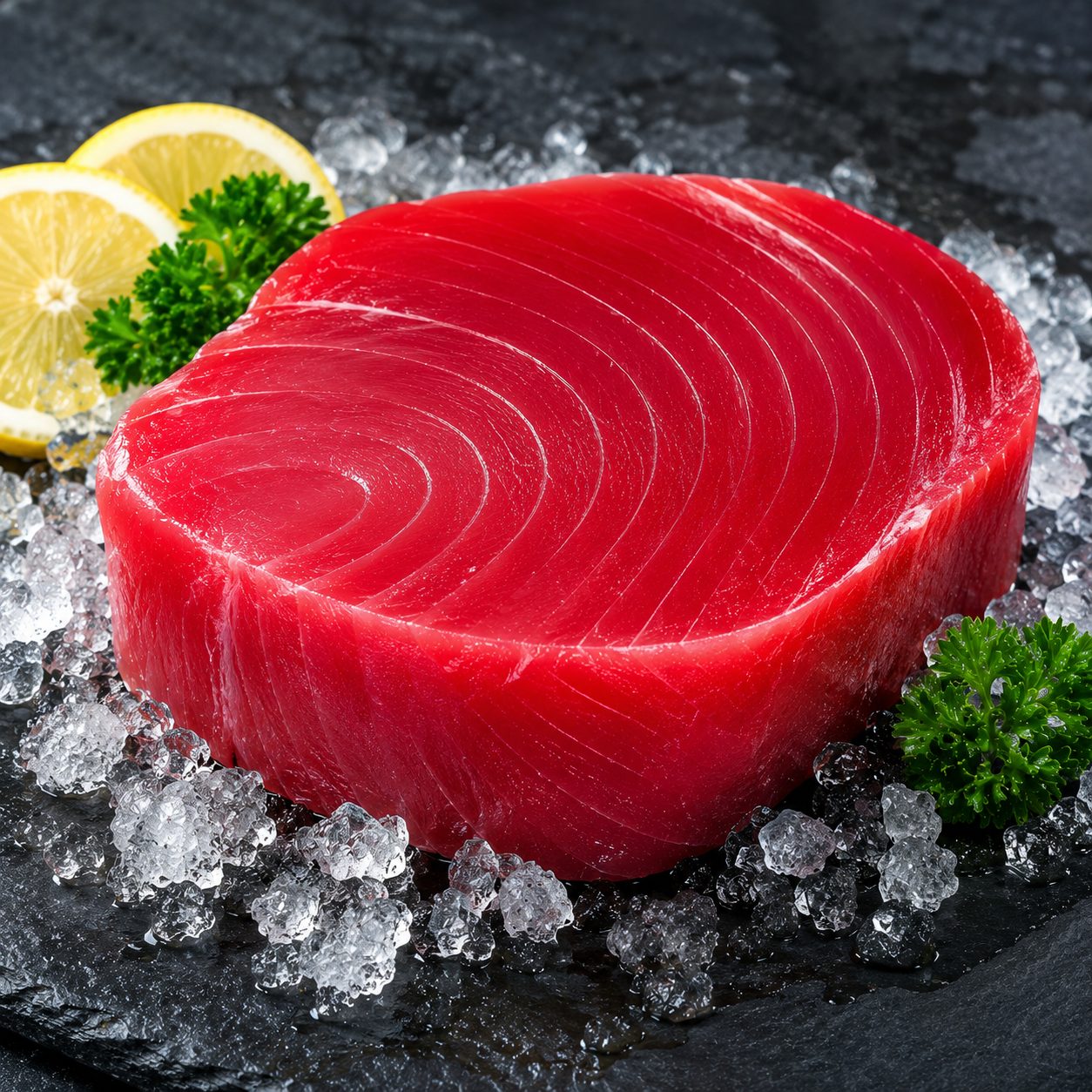
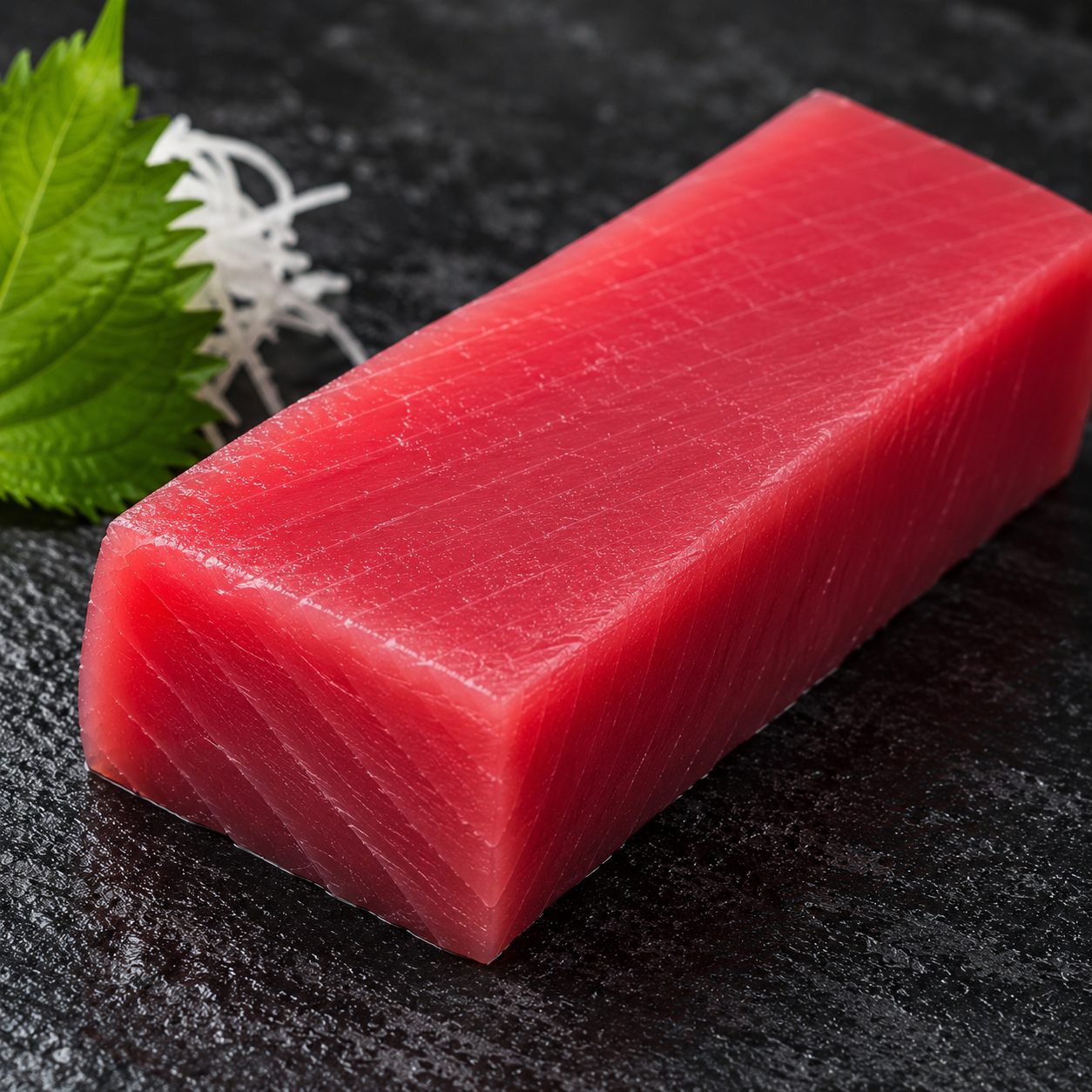
Today, that heritage meets opportunity. With international markets paying premium for traceable, eco-certified protein, Lakshadweep's traditional craft is its most valuable export advantage. Pole-and-line caught tuna is classified as "Dolphin-Safe" and "Eco-Friendly" — commanding a massive premium over net-caught fish in Japan, the EU, and the US.
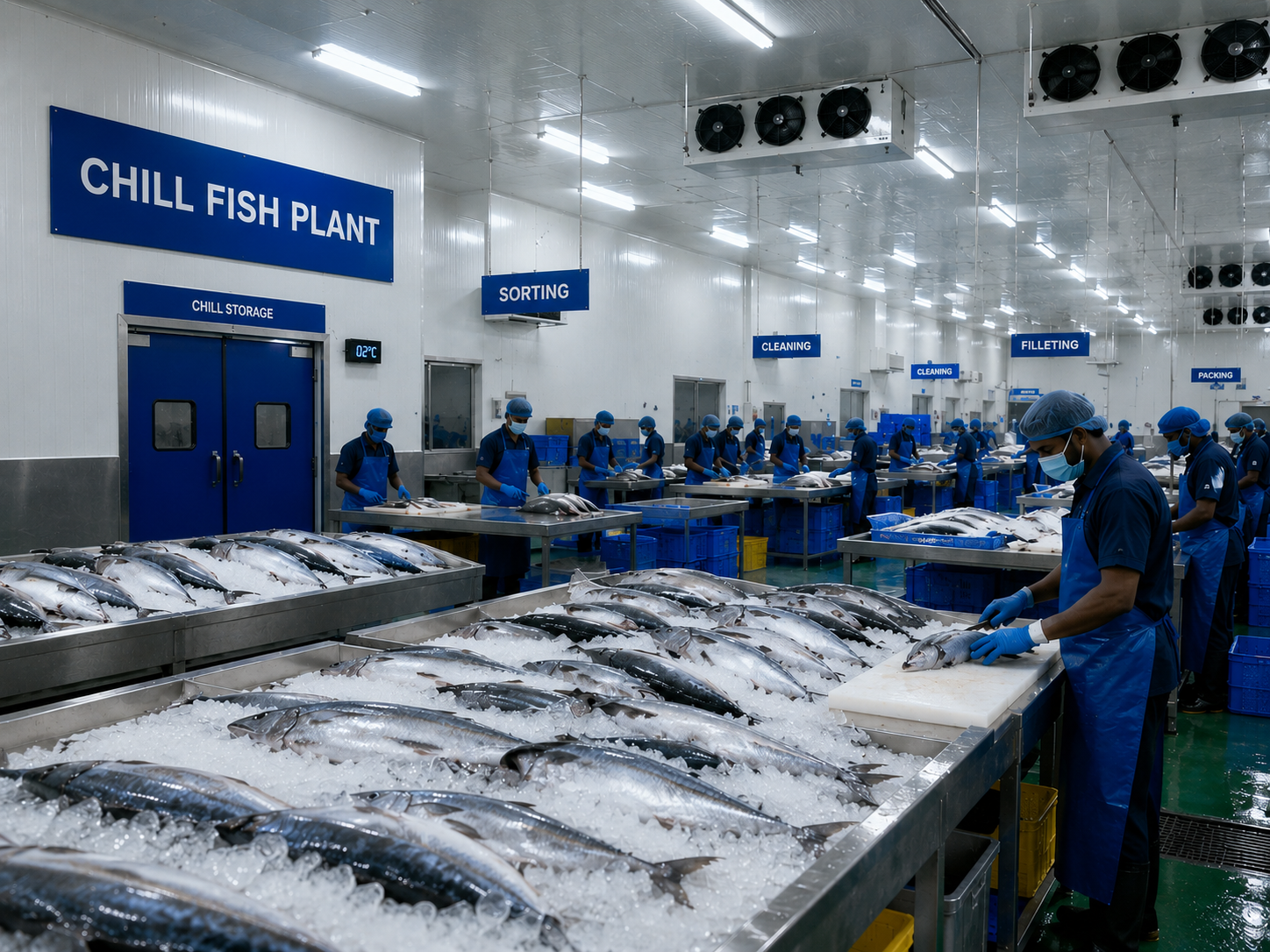
Because the catch is localised to small island communities and caught individually, digital traceability from hook to plate is not aspirational — it is the natural state of this fishery. Pristine coral atoll waters mean fish arrive free from the heavy metals and coastal pollutants that plague mainland catches.
No turtles, dolphins, or juveniles harmed. The purest fishing method practiced commercially.
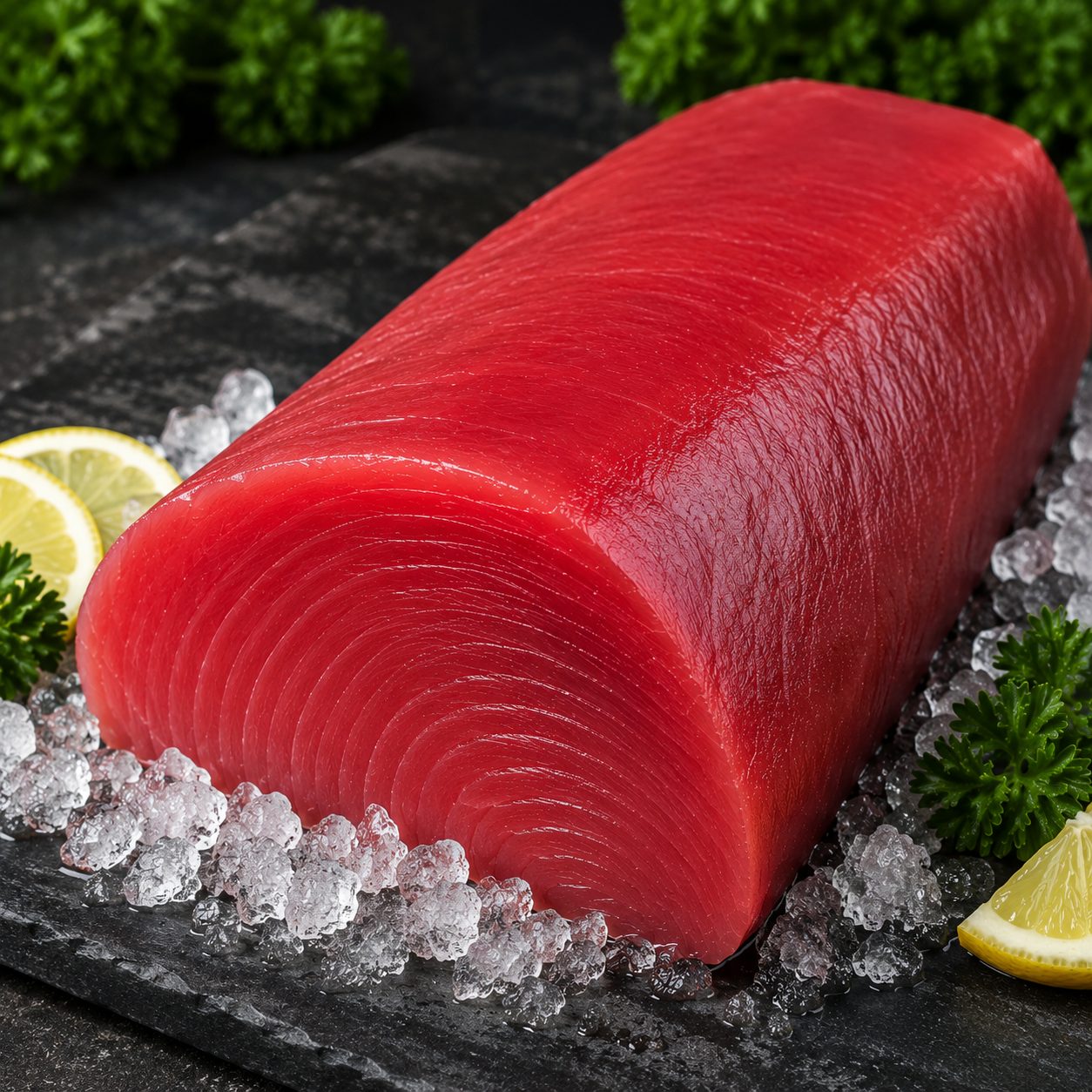
Global export markets classify pole-and-line tuna as premium-grade, unlocking price premiums.
Island-community catch allows individual fish to carry a verified digital identity to consumer.
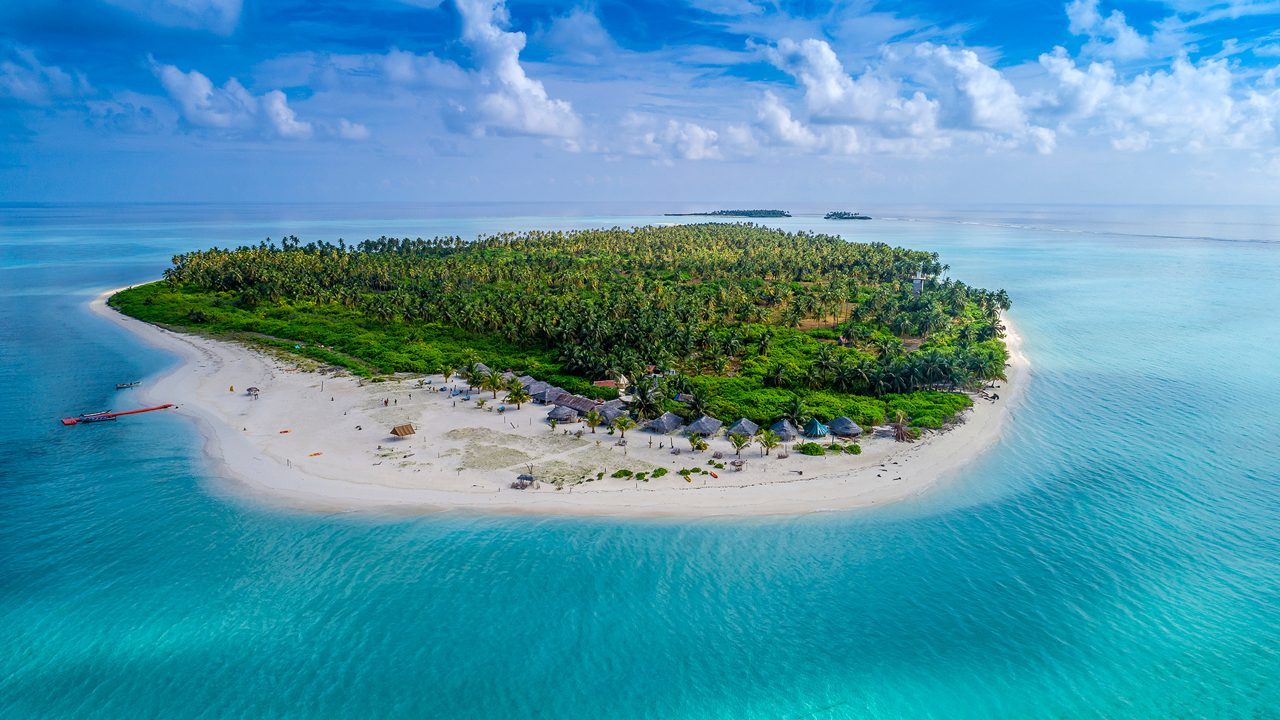
Coral atoll geography shields fish from heavy metals and pollutants — true sashimi-grade quality.
"The islands are naturally suited for premium-quality tuna fishing using pole-and-line and handline methods, globally recognised for their clean and sustainable practices." — Minister of State S.P. Singh Baghel, Lakshadweep Investors' Meet, December 2025